October 19, 2026
Navigating high-speed motorways, suburban arterial roads, and remote rural highways exposes motor vehicles to relentless mechanical stress, unexpected physical hazards, and severe environmental conditions. When a passenger car, commercial delivery van, or heavy-duty semi-truck suffers a major mechanical breakdown, severe tire blowout, or collision impact, clearing the vehicle safely from active traffic lanes becomes an immediate priority. While portable jump-start packs, tire inflators, and mobile fuel delivery canisters provide convenient quick fixes for minor roadside disruptions, simple on-site interventions often fail to resolve complex engine failures, transmission lockups, structural axle damage, or severe chassis compromise. In these complex scenarios, professional vehicle recovery stands as the primary structural solution within total traffic management frameworks.
The dominance of specialized recovery equipment across modern transport networks stems from its unique ability to restore order, maintain highway safety, and transport compromised vehicles to repair facilities regardless of structural condition. Professional recovery specialists utilize heavy-duty hydraulic flatbeds, wheel-lift booms, integrated winching assemblies, and specialized rigging equipment to manage delicate transport operations safely. Moving a disabled vehicle involves complex physics, precise weight distribution calculations, and strict compliance with state and federal transportation safety mandates. Exploring why vehicle recovery remains the essential pillar of total roadside management highlights how mechanical complexity, highway safety laws, specialized equipment needs, collision response protocols, and commercial logistics rely on dedicated transport infrastructure.
Managing Severe Mechanical Failures and Irreparable Roadside Breakdown
Managing unexpected engine seizures, failed transmission linkages, cracked radiator housings, and shattered wheel bearings demands comprehensive transport solutions that go far beyond basic roadside repairs. Modern internal combustion engines, hybrid powertrains, and electric vehicle drive units feature intricate computer-controlled assemblies that prevent safe on-site disassembly along busy highway shoulders. Attempting complex mechanical troubleshooting on narrow road margins exposes field technicians and stranded motorists to extreme physical danger from passing high-speed traffic.
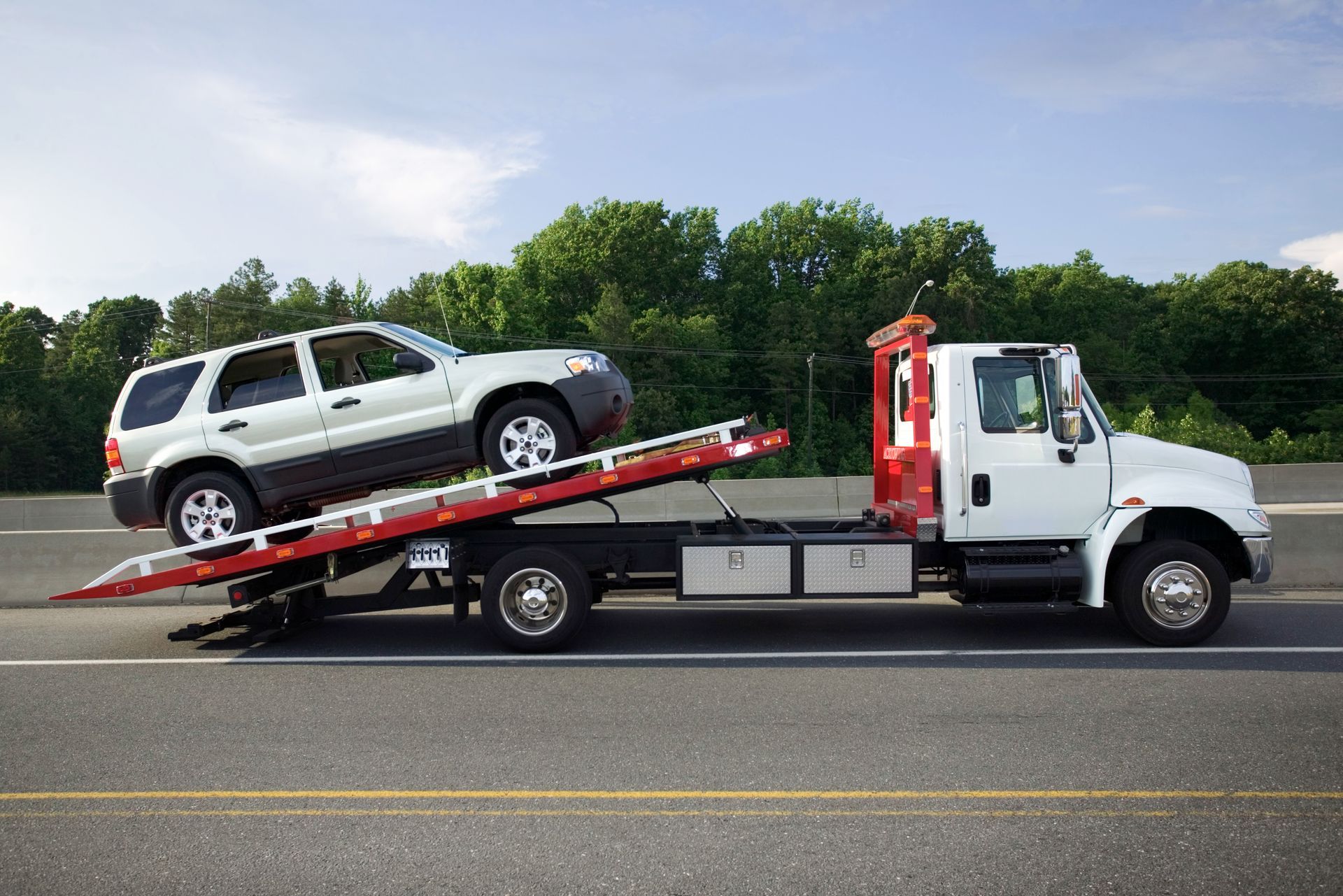
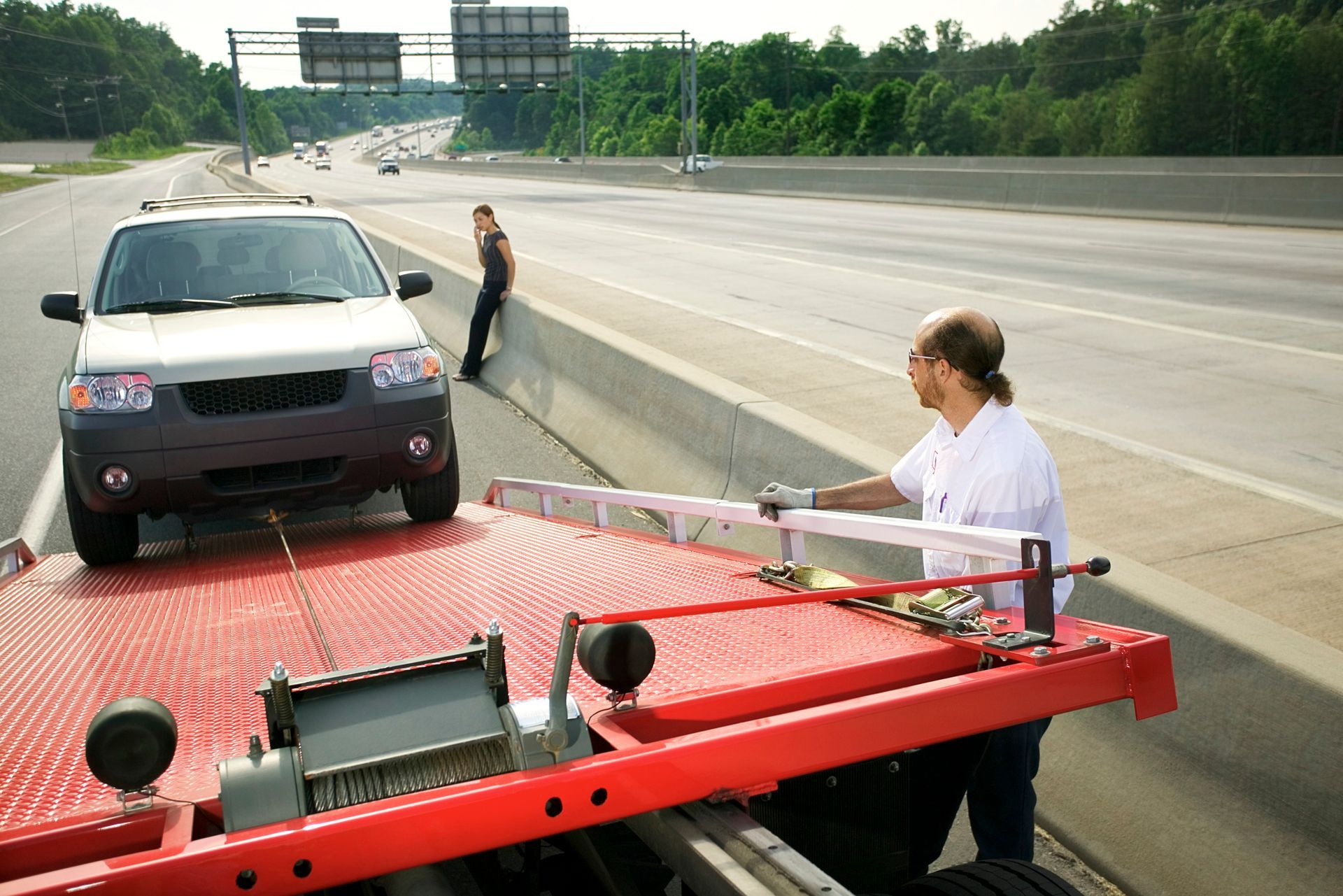
Furthermore, severe mechanical failures frequently lock up drive wheels, destroy steering geometry, or compromise fluid retention systems, making vehicles entirely undrivable. When mechanical components suffer total failure, rolling or towing a vehicle with a simple tow strap risks catastrophic transfer case or transmission housing damage. Partnering with a professional tow truck service guarantees that disabled vehicles are loaded cleanly onto flatbed decks using specialized skates and hydraulic winches, protecting fragile drivetrains and ensuring safe transport to certified repair facilities.
Clearing Collision Scenes and Managing Emergency Highway Obstructions
Clearing multi-vehicle accident scenes, rollover incidents, and off-road ditch recoveries requires heavy-duty rigging equipment, precise hydraulic control, and specialized recovery expertise. When traffic collisions occur, damaged vehicles frequently block active travel lanes, scatter debris across roadways, or rest precariously along steep highway embankments. Emergency first responders rely on specialized recovery teams to clear wrecked vehicles rapidly, relieving dangerous traffic backups and preventing secondary collisions.
Executing a successful recovery involves deploying heavy winches, snatch blocks, spreaders, and rotators to upright overturned vehicles and extract crumpled frames without causing additional property damage. Recovery specialists work in close coordination with state police and local municipal emergency crews to restore open traffic flow swiftly. Reaching out to an experienced tow truck service ensures that heavy recovery equipment arrives at collision scenes equipped with proper safety lighting, rigging hardware, and trained operators capable of managing complex physical extractions under tight time constraints.
Adapting to Modern Electric Vehicle Architecture and High-Voltage Safety
Adapting to the rapid expansion of electric vehicles requires specialized recovery equipment, technical knowledge, and modified handling protocols across the roadside industry. Electric vehicles feature heavy lithium-ion battery packs mounted flat within lower chassis frames, altering traditional vehicle weight distribution and lowering ground clearance margins. Furthermore, electric drive motors generate significant electromagnetic resistance and rotational drag when wheels roll while internal systems are powered off.
Attempting to pull or flat-tow an electric vehicle with drive wheels on the pavement can spin internal permanent-magnet motors, generating high-voltage electrical currents that destroy sensitive power inverters or trigger thermal runaway events within battery cells. Specialized flatbed transport decks eliminate wheel rotation, securing high-voltage vehicles safely by their structural tie-down points. Utilizing a qualified tow truck service provides electric vehicle owners with specialized flatbeds, nylon rim straps, and high-voltage safety precautions that preserve vehicle electronics and factory warranties.
Analyzing Market Revenue Share and Roadside Industry Dominance
Analyzing national industry statistics reveals the massive financial and operational role that professional vehicle transport plays across the broader roadside sector. Everyday commerce, long-distance freight distribution, and personal commuting rely on a continuous safety net capable of resolving highway disablements promptly. While minor assistance services such as lockout help or battery jump-starts occur frequently, vehicle transport commands the overwhelming majority of total industry expenditure due to its capital-intensive equipment and specialized labor requirements.
Industry research data highlights how dominant transport operations remain within the domestic assistance market. According to Custom Market Insights, towing is a core segment in the US roadside assistance market, commanding over 30% market share in 2023. Relying on a professional tow truck service connects motorists with an expansive, highly capitalized infrastructure designed to keep national highway corridors open, secure, and functioning smoothly.
Satisfying Strict Municipal Regulations and Public Safety Mandates
Satisfying strict state department of transportation rules, municipal towing ordinances, and law enforcement safety standards requires specialized equipment and certified operator training. Municipalities enforce rigorous guidelines regarding legal axle weight limits, safety chain ratings, hydraulic winch capacities, and warning light visibility standards. Unlicensed or improperly equipped transport operators risk severe fines, impoundment penalties, and legal liability if unsecured loads shift or detach on public thoroughfares.
Professional recovery companies maintain comprehensive commercial liability insurance, specialized garage-keepers coverage, and rigorous driver safety certification programs. Certified operators perform detailed pre-trip equipment inspections, verify working load limits on all synthetic webbing and steel cables, and use high-visibility traffic control barriers while working on active road margins. Contracting an established tow truck service ensures complete compliance with local municipal laws, shielding vehicle owners and commercial fleet managers from legal liabilities during transport.
Understanding why vehicle recovery dominates the roadside assistance industry highlights the vital balance between mechanical capability, public safety, and modern transportation infrastructure. While minor roadside disruptions can occasionally be resolved with basic hand tools or portable battery boosters, major mechanical failures, complex accidents, and sensitive electric vehicle architecture demand specialized hydraulic equipment and expert recovery technicians. Professional recovery operators clear hazardous highway blockages, adhere to strict transportation safety mandates, and protect complex vehicle electronics from costly secondary damage. Heavy-duty flatbeds and specialized rigging hardware provide the indispensable muscle that keeps national supply chains moving and public roadways clear of hazards.
At Dan's Towing, we are deeply committed to protecting your roadside safety, clearing highway hazards, and delivering superior vehicle recovery solutions through master craftsmanship, modern hydraulic equipment, and dedicated customer care. Our team of certified recovery specialists brings extensive technical expertise, heavy-duty flatbed trucks, wheel-lift booms, and meticulous attention to detail to every light-duty car transport, commercial fleet winching, accident clearance, battery jump-start, and local tow truck service call we execute across our community. We take immense pride in evaluating your unique breakdown situation, analyzing vehicle weight dynamics, inspecting safety rigging points, and executing precise recovery operations that bring total security, structural protection, and peace of mind to your drive. We carefully examine every nylon tie-down strap, hydraulic lift angle, winch cable rating, and safety chain hook to guarantee maximum vehicle protection, regulatory compliance, and complete motorist satisfaction. Contact us today to schedule your comprehensive vehicle transport consultation and discover the true value of working with dedicated local recovery specialists.