July 16, 2026
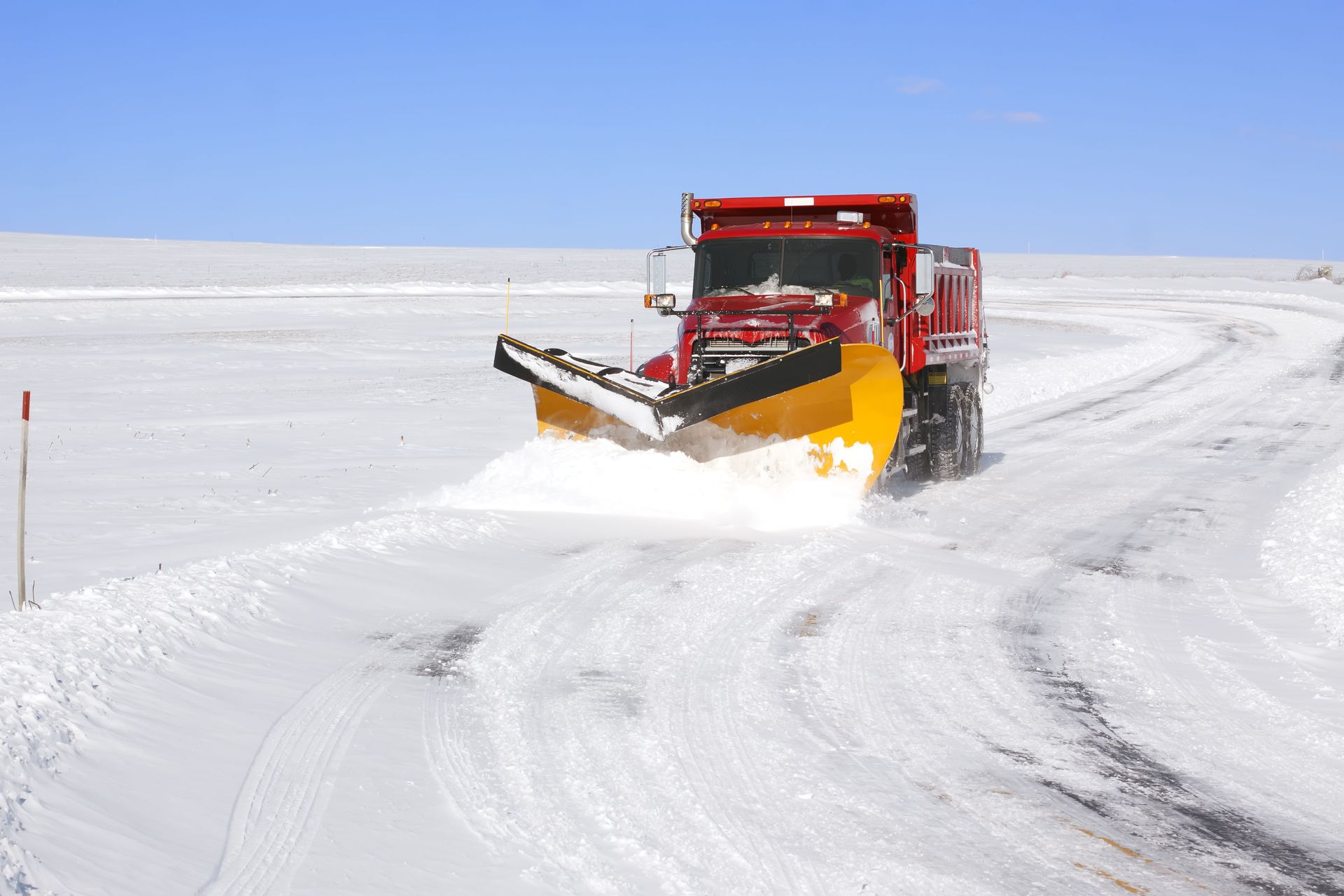
Driving in snowy conditions can be more treacherous than many drivers anticipate. Snow towing, in contrast to regular towing on clear roads, requires a different set of skills and tools. Understanding these differences is crucial for safety and efficiency.
It is essential to recognize how snow affects the fundamental elements of driving. Traction, braking, and general vehicle handling are all impacted in significant ways when snow begins to layer the ground. Knowing how to adapt to these changes can be the difference between a smooth tow and a dangerous accident.
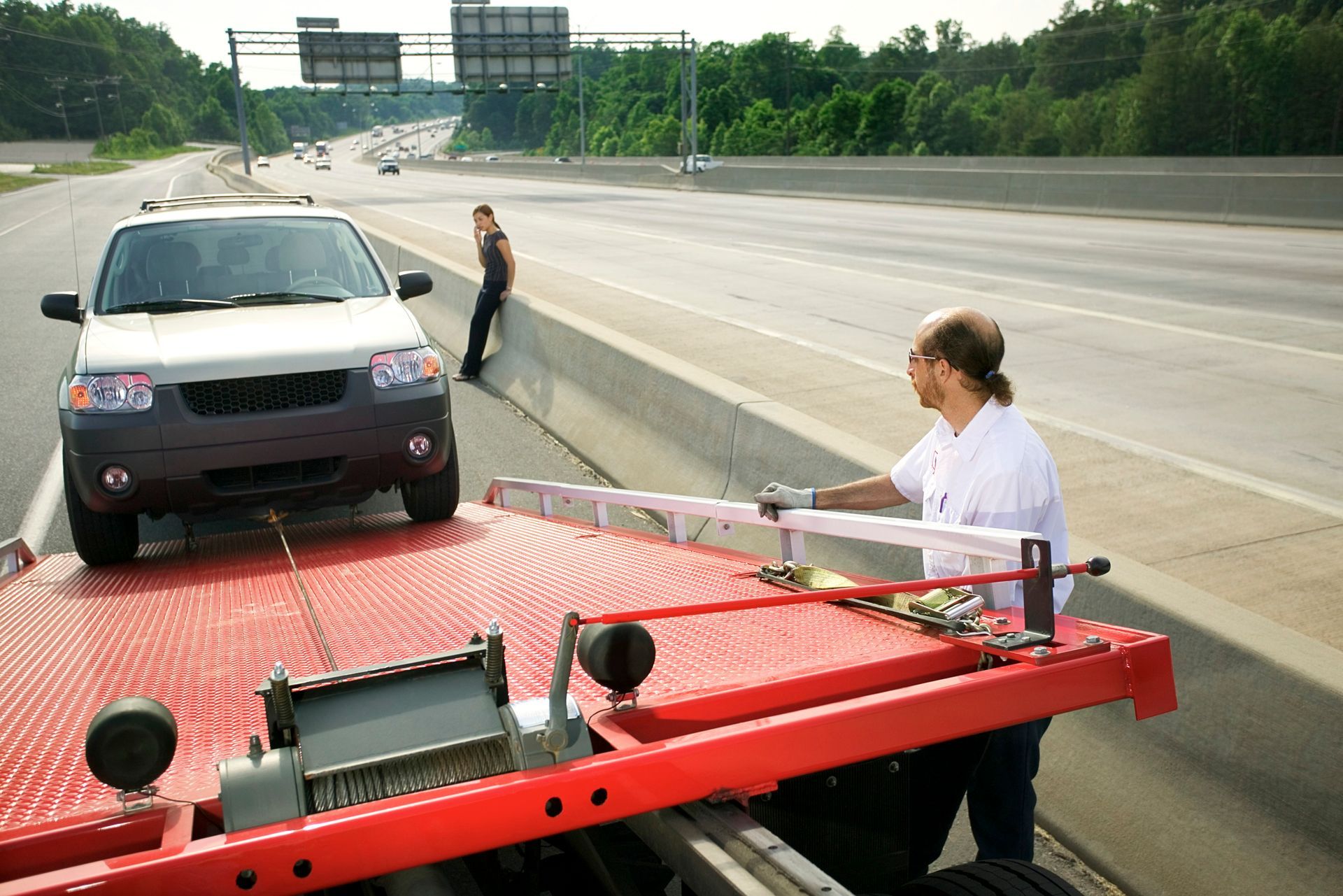
Moreover, the U.S. automotive towing industry is a massive market, with revenues estimated at around $12-$14+ billion annually. Given this scale, even subtle improvements in towing operations can lead to significant economic benefits. Understanding the nuances of snow towing has both safety and economic incentives.
1. Understanding Vehicle Dynamics in Snow
1.1 Effects of Snow on Traction
Snow dramatically reduces tire traction, a critical factor in towing. As snow fills the gaps between road surfaces and tires, the gripping ability of tires is diminished. This issue makes it harder to start moving from a stop, and controlling a towed load becomes more challenging as momentum builds.
Ensuring that tires maintain optimal contact with the road can prevent the risk of fishtailing. Drivers must rely heavily on careful steering and gradual acceleration to make up for lost traction. The role of appropriate tire selection cannot be stressed in mitigating these risks.
Furthermore, special tire types such as winter tires or all-weather tires become invaluable in snowy conditions. These tires are specifically engineered to manage snow-packed and icy roads, enhancing grip through specialized tread designs. Making use of such tires can significantly improve traction and overall safety.
1.2 Impact of Snow on Braking Distance
The reduction in traction also greatly extends braking distances. What might take a car only a few yards to stop in clear weather might take substantially longer in snow. This is why increased following distances are recommended during snowy conditions, especially while towing.
In these conditions, electronic braking systems can only offer limited assistance. Drivers must compensate by applying brakes earlier and with greater caution. Anticipating stops and slowing down gradually can help prevent collisions.
Braking in snow becomes not just about the mechanic force but also about understanding terrain patterns and knowing how to purse soft pedals slowly. With loaded trailers, this concept becomes doubly important as they add extra momentum. Drivers are advised to test their brakes at the onset of snow to gauge the delay in response.
1.3 Vehicle Handling Differences in Snow
Snow can greatly alter how a vehicle handles, from steering precision to overall stability. Accumulated snow affects the control drivers have over their vehicles, making sudden movements risky. When towing, these handling challenges are compounded, especially during maneuvers.
Handling differs significantly between rear-wheel, front-wheel, and all-wheel-drive systems. Understanding how your specific vehicle type performs under these conditions is essential. Efforts should focus on smooth steering inputs and minimizing sudden changes in direction.
Snowy surfaces amplify any imperfections in driving technique, demanding that each movement be more calculated. Tensions in the tow setup can change rapidly in response to steering, making practice and familiarity with snow driving vital. Inexperienced drivers would do well to receive guidance or training before taking on towing duties in snow.
1.4 Role of Weight Distribution
Weight distribution plays a significant role in how vehicles operate on snowy roads. Uneven weight can lead to an imbalance that becomes dangerous when traction is lost. For towing services, it’s crucial that both vehicles and trailers have properly balanced loads.
The dynamics of snow make this harder to achieve, given the uneven texture of snow-covered roads. Engaging in careful planning when loading goods or equipment onto trailers can mitigate unwanted sways and destabilization.
Furthermore, strategic weight distribution can help optimize the traction of drive-wheels, a crucial factor in preserving control. Assisted by experience and awareness, this becomes an important element not just in snow towing but in everyday towing as well.
1.5 Importance of Speed Management
Managing speed is especially critical when towing in snow. On snowy roads, the acceptable speed limit lowers, requiring constant monitoring of the vehicle's behavior. Excessive speed amplifies the risk of skidding and losing control.
Setting a safe, comfortable speed during snowy conditions allows more reaction time to unforeseen obstacles. Speed management also includes understanding when to decelerate for turns and braking in advance for stops.
This careful modulation of speed, coupled with acute environmental awareness, ensures safety. Drivers must constantly communicate with themselves, assessing their current speed in the context of road visibility, grades, and immediate weather conditions. This habit not only ensures safety but can lead to better fuel efficiency, thereby reducing operational costs.
2. Equipment Considerations for Snow Towing
2.1 Choosing the Right Tires
The choice of tires is critical when planning to tow in snowy conditions. Winter tires, which feature deeper treads that mitigate snow build-up, significantly improve vehicle grip. They also use special rubber compounds that remain pliable in freezing temperatures.
Having a specialized tire setup is the first line of defense against the perils of snow towing. Engaging the right tires minimizes slippage and improves handling, allowing for safer navigation of slippery surfaces.
Failure to equip vehicles with suitable tires increases the likelihood of accidents. This is particularly important in the towing sector, given its substantial market value. Even minor negligence, in terms of equipment, can lead to significant mishaps involving hefty insurance claims and potential loss of life.
2.2 Chains and Snow Cables
Snow chains and cables are invaluable tools for ensuring grip on severely slippery roads. They offer an extra layer of traction, fortifying the tire's ability to capture grip points in the snow. This is especially useful for towing scenarios where additional weight can shift the vehicle's center of gravity.
While chains and cables are indispensable in particularly harsh conditions, they must be installed correctly. Improper installation can result in damage to the tires or vehicle. Knowledge and skill in fitting chains should be part of any towing operator's skill set.
Regulations may restrict or mandate their use based on location and weather severity. Towing companies should remain current with legislation to ensure compliant practices, avoiding legal issues and potential fines.
2.3 Importance of Tow Mirrors
Tow mirrors are crucial for visibility, allowing drivers to observe blind spots and the longer expanse of any hitched loads. In snowy conditions, these mirrors can quickly become covered with ice, which compromises visibility.
It is important for operators to maintain their tow mirrors diligently, ensuring surfaces remain clear. Heated or electric-defrost mirrors can offer a considerable advantage for this purpose.
Checking visibility frequently is a driver’s best strategy to counteract ice buildup. Enhanced visibility leads to quicker response times and improved overall safety. In snow towing, having a clear line of sight into the behavior of towed loads and surroundings is essential.
2.4 Selecting Appropriate Tow-Ropes and Straps
Choosing the right tow-ropes and straps is crucial in ensuring secure connections. Cold temperatures can affect the flexibility and durability of these materials, necessitating selections rated for the specific conditions they’ll encounter. High-quality ropes and straps help prevent breakages, which can be catastrophic in snowy weather. Assessing the load-breaking strength and overall condition of towing equipment is an ongoing priority.
Using synthetic materials over traditional metal can offer numerous advantages, including less snap recoil if a rope or strap fails. Such innovations contribute to ongoing industry-focused conversations about improving tow safety and efficacy. According to Accio, different research sources estimate that the U.S. automotive towing industry generates significant annual revenue — from around $12-$14+ billion. Be sure to reach out to Dan's Towing today to learn more about our professional towing services!