February 19, 2026
When your vehicle breaks down or is involved in an accident, a tow truck can be your lifesaver. However, prioritizing safety for yourself, the tow truck operator, and other road users is crucial during this process. This article outlines the top safety tips to keep in mind when a tow truck arrives, ensuring a smooth and secure towing experience.
1. Assess the Situation Safely
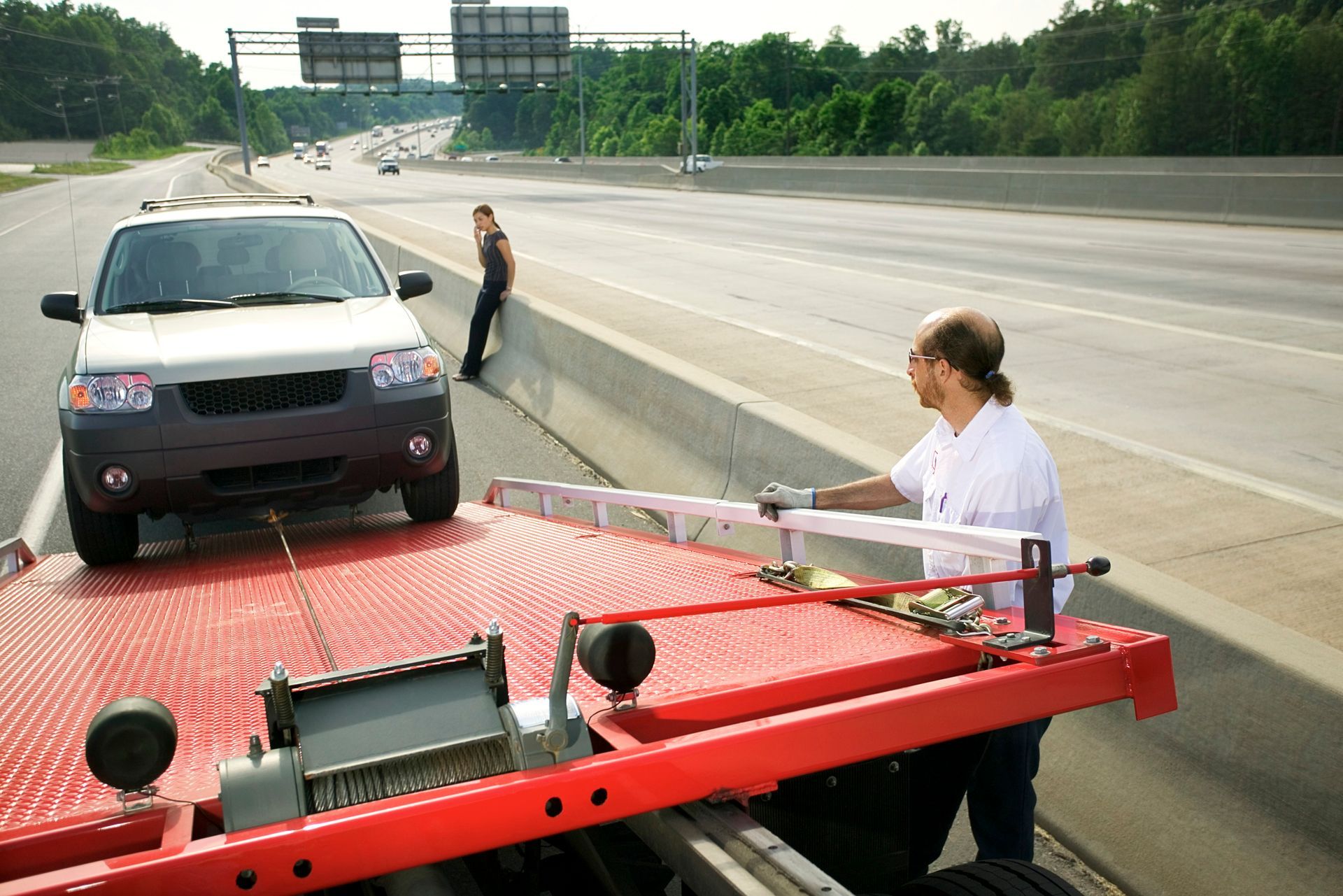
One of the first steps when awaiting a tow truck is to assess the situation safely. Pull over to a safe location if possible, reducing the risk of further accidents while you wait. If moving the car isn’t possible, activate your hazard lights to alert other drivers and increase your visibility on the road. Setting up warning signals such as flares or safety triangles can drastically enhance safety by warning oncoming vehicles of your presence. Remaining inside the vehicle is generally advised unless it is safer to stand at a designated area away from traffic.
According to a report by LookupAplate, an estimated 55,000 vehicles are towed daily in America, underlining the importance of effective roadside safety measures. Contacting emergency services may be necessary if you find yourself in a precarious position where additional assistance is needed. While waiting, staying in the secured confines of your car is usually safest, assuming no immediate hazards threaten your safety. It's important to keep your doors locked and remain aware of your surroundings until help arrives. Each of these proactive measures can significantly diminish the risks associated with roadside incidents.
Your safety and the safety of others is paramount, and clearly assessing your situation can prevent further complications. Checking your rear-view mirrors frequently will help you stay aware of the traffic around you. Understanding the visibility of the situation, especially if it occurs at night or during poor weather conditions, is essential. Never stand between your vehicle and oncoming traffic, as passing vehicles may not anticipate your presence. Making these assessments while calmly handling the scenario prepares you effectively for the tow truck’s arrival.
2. Communicate Effectively with the Tow Truck Operator
Effective communication with the tow truck operator ensures a smooth towing process. Providing accurate location information is crucial; clear directions or recognizable landmarks will help the operator locate you swiftly. Furthermore, detailing the vehicle problem to the dispatcher allows the tow truck operator to prepare the necessary equipment, ensuring no additional delays. It's also best practice to confirm the operator's identity through the towing company to avoid potential scams—a simple phone call can verify legitimate service personnel. Those measures, coupled with open communication, will simplify and expedite the towing process.
Discussing the towing destination beforehand allows you to make informed decisions regarding where your vehicle should be taken for repairs. Deciding on a repair facility in advance will help streamline the recovery of your vehicle. Keep a record of communication, noting down the details of every interaction, including names, times, and any agreements made, for your reference in case of disputes. This approach not only helps in resolving any discrepancies later but also establishes trust between you and the towing service provider. Transparency and clear articulation of your requirements are essential components in achieving a hassle-free experience.
Considering that 55,000 vehicles are towed daily as reported by LookupAplate, clear communication is necessary to handle high-demand scenarios efficiently. The large volume of daily tows underscores the need for precise communication to ensure your vehicle receives the right attention and services. Patience and clarity in your explanations and inquiries provide both you and the towing operator with a mutual understanding of the situation. Emphasizing these communication strategies will enhance the efficiency and efficacy of the towing service. Ultimately, preparation and vigilance remain your strongest allies in navigating the complexities of vehicle recovery.
3. Ensure Personal Safety and Security
Your personal safety and security are paramount when involved in vehicle breakdowns or accidents. Keeping a safe distance from traffic while waiting for the tow truck reduces the risk of injury by errant vehicles. Staying within the safety perimeter of your vehicle or a secure area nearby is advisable, especially in high-traffic zones. Awareness of your surroundings is another critical factor, as it prevents vulnerabilities that may arise from roadside scenarios. Being vigilant and avoiding distractions can protect you and any passengers from unforeseen dangers.
Secure your personal belongings within your vehicle to prevent theft during the towing process. Valuable items should be kept with you rather than left in the vehicle to avoid potential losses. Additionally, avoid accepting rides from individuals you do not trust—only authorized personnel or acquaintances you recognize offer a reliable transport option. Trusting your instincts and using common sense becomes imperative in deciding any action that affects your safety. Understanding these risks and taking necessary precautions assures a level of safety and comfort when awaiting assistance.
In such scenarios, simple, yet effective measures can profoundly impact your level of security while waiting for help. For instance, remaining inside a locked vehicle during uncertain circumstances or carrying necessary identification readily accessible is important. Such actions provide both peace of mind and practical responses to potential emergencies. Prioritizing your security minimizes risks and fosters confidence in handling vehicle-related predicaments effectively.
4. Interact Cautiously During the Towing Process
During the towing process, maintaining caution ensures the safety of everyone involved. Keeping a safe distance during the vehicle hookup process prevents any injuries that could occur due to unforeseen mechanical failures or mishaps. Following instructions from the tow truck operator carefully allows them to manage and execute the procedure safely. Making sure children and pets remain secure and clear of towing operations is vital in maintaining a safe environment. This structured approach to safety during the towing process contributes to a smooth and injury-free procedure.
Observing safety protocols, such as wearing high-visibility clothing, safeguards you when outside the vehicle, especially in low-light conditions. Visibility is crucial for both your protection and that of the towing personnel operating in potentially hazardous environments. Monitoring your vehicle’s loading and unloading also falls under these protocols, ensuring your car is fastened securely before transportation begins. Misalignments or loose fastenings can lead to complications during or after transit. By dedicating focus to these responsibilities, you mitigate risks associated with the transport of your vehicle.
Given the volume of daily vehicle recoveries—55,000 as per LookupAplate—adhering to safety protocols becomes especially important. Compliance with these procedures aligns with established standards, ensuring that the volume of work handled every day adheres to safety regulations. Engaging actively during the towing process exhibits a partnership with the service provider, reinforcing precautionary measures practiced industry-wide. These interactions become valuable learning experiences that enrich your understanding and preparedness for future incidents. These principles, therefore, equip you with ample knowledge to navigate the towing process safely and effectively.
5. Understanding Towing Terms and Conditions
Acquainting yourself with the towing company’s policy and procedures ensures smooth handling of your situation. Understanding general terms and any applicable charges helps manage your expectations and budget accordingly. For instance, being aware of insurance coverage options that encompass towing expenses could alleviate financial pressure in such scenarios. Reviewing your insurance policy guarantees clarity on the scope of coverage and any provisions that may apply. Valuing these administrative aspects fortifies your knowledge and confidence in handling the administrative side of vehicle recovery.
Clarifying payment methods before services commence prevents misunderstandings and assures that all transactions run smoothly. Whether payments are made via cash, credit, or through insurance, discussing these details in advance eliminates unnecessary surprises when settling the account. Obtaining a written estimate before the towing service starts allows you to visualize and confirm expected costs. This transparency solidifies your financial planning and minimizes the likelihood of future disputes regarding the service expenditure. Retaining copies of all documents, including receipts and communications, ensures that you have proof of the terms agreed upon.
By adhering to these top safety tips when a tow truck arrives, you can enhance your security and peace of mind during vehicle recovery operations. It's essential to remain vigilant, communicate effectively, and cooperate with towing personnel to ensure that the process is both efficient and safe for everyone involved. Implementing these precautions prepares you adequately for vehicle breakdowns, thereby transforming potentially stressful situations into manageable experiences. Reach out to Dan's Towing today to see how we can help!